WeJustice carries collective actions from petition to trial.

The platform brings citizens together around each action. The public demo is free to explore, no sign-up needed.

Explore the live demo

The essentials in 40 seconds

WeJustice · legal-tech · since 2025

Palace.legal becomes WeJustice, a European legal tech. I designed the product strategy, the experience and the complete MVP.

Since 2020, Palace.legal has carried the legal ultimatums of lawyer Arnaud Durand: over 300,000 signatories across five actions, from the vaccine contracts to the Linky ultimatum. I am a partner; I designed the product end to end, from strategy to the code in production. The complete MVP runs as a public demo: 130+ pages, 24 languages, GDPR by design.

The problem

Palace.legal proved the demand: 287,717 signatories for transparency on the vaccine contracts, 66,376 against 5G, 15,562 against the Linky meter. But the site, built for petitions, could not operate a service: no member area, no case tracking, no online payment, and manual management behind every action.

My role

Partner, in charge of the product, since 2025. The lawyer owns the legal side and the professional ethics. I own everything else: the strategy and business model, the personas, the journeys, the functional architecture of the MVP, the design, growth, CRM, analytics and the production of the code, with AI as a tool.

What I did

  • Framed the strategy: five personas, from citizen to white-label lawyer, and a European roadmap in three phases, from MVP to lawyer marketplace.
  • Defined and documented the functional architecture of the MVP.
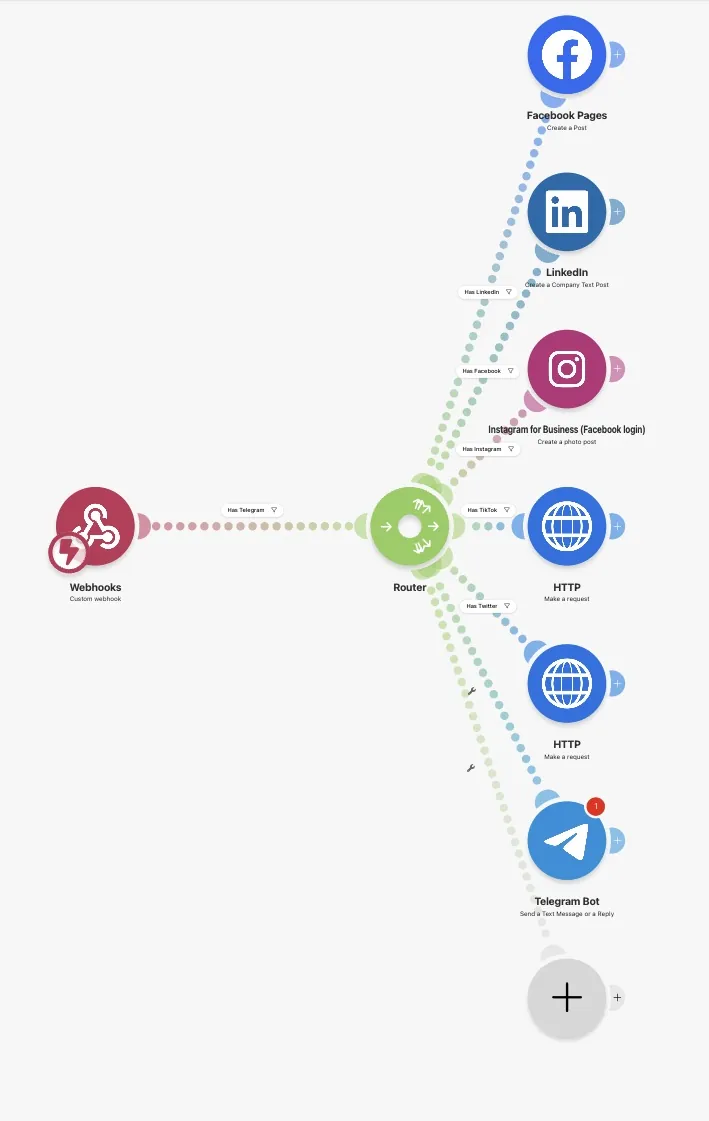
  • Built the growth machine: an instrumented AARRR funnel, a 33-email CRM, 14 scheduled tasks, publishing to 12 networks.

The result

  • More than 5,300 pre-registrations, with no paid advertising: acquisition comes from content, earned media, events and material distributed by the community.
  • A European platform from the outset: 24 languages, GDPR built in from the design stage.
  • A service a small team can operate: admin, CRM, dashboards.

Talk about a similar challenge →

01

Two people. Nothing gets handed over.

Lexprecia since 2015, Palace.legal since 2020, VpourVerdict since 2022: lawyer Arnaud Durand's ecosystem has long carried legal ultimatums, and battles were won, from the removal of Linky meters ordered by the Tours court to the reinstatement of a nurse. We decided to turn it into a platform.

Palace.legal300,000 signatories, but a model built on one-off actions
RefoundationValue proposition, membership model, journeys and product developed together
WeJustice5,300+ pre-registrations with no paid advertising, European MVP in 24 languages
palace.legal
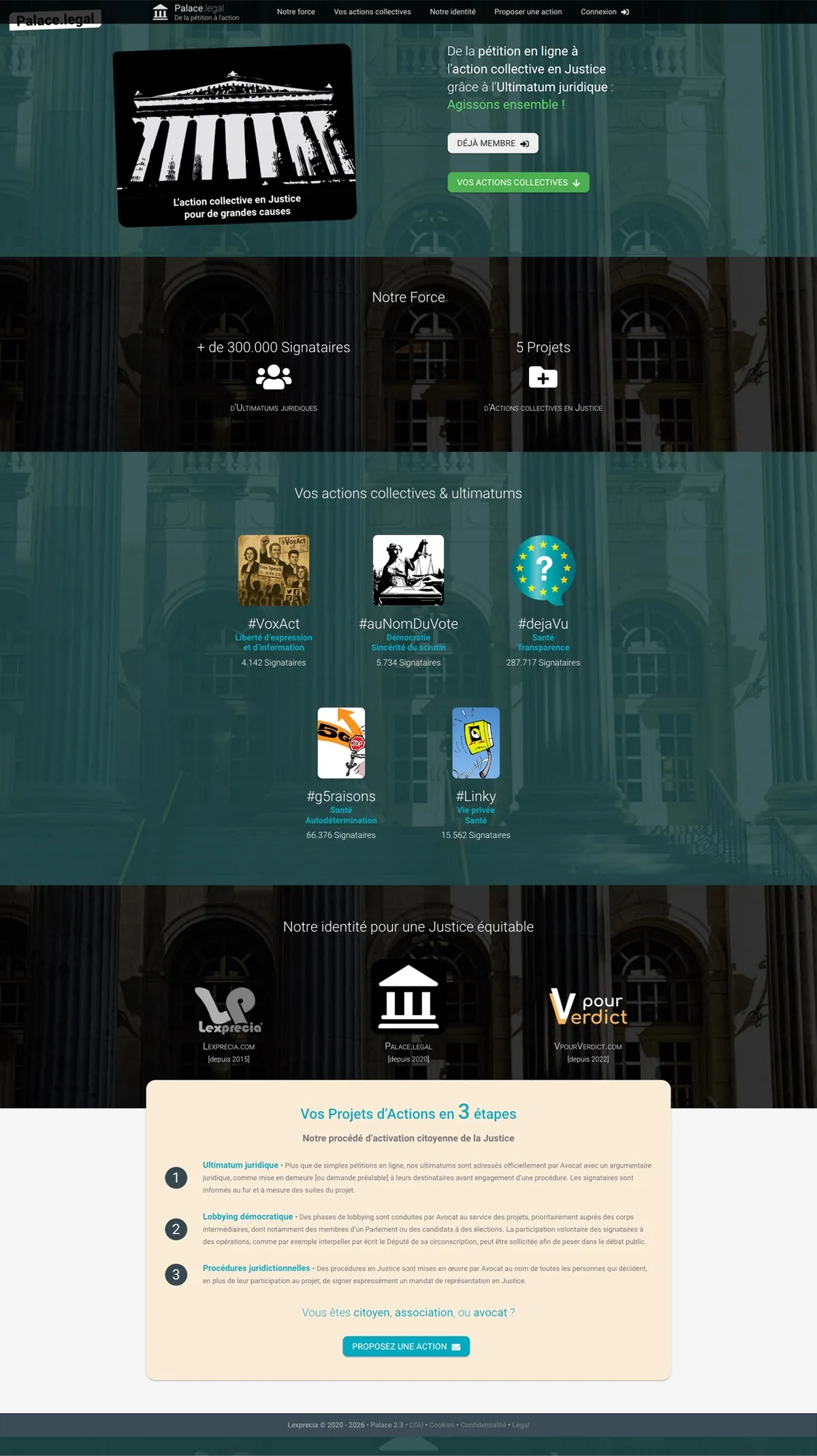
The full Palace.legal home: over 300,000 signatories, 5 actions with their counters, the Lexprecia, Palace.legal and VpourVerdict ecosystem, and the 3-step process.
The existing site, as online today: real traction, built action by action.
02

The model had to hold beyond one country.

The strategy sets five personas, from the signing citizen to the marketplace lawyer, the white-label lawyer and the association, each with its own journey and revenue model. The subscription follows engagement: signing is free, carrying a case becomes a subscription, with shareable seats and features unlocked plan by plan.

Three decisions structure the MVP: signing without an account reduces the friction of the first gesture; launching in 24 languages covers the European market, with automated translation making the marginal cost negligible; GDPR is designed into the product, with explicit consent, data export and deletion.

Citizen MVPCollective actions direct, in 24 languages
Lawyer marketplaceLawyers publish their own actions
White label multi-tenantThe platform as white label for organisations
EuropeExpansion country by country, with local lead lawyers
The roadmap: three product phases, then the European expansion, as set in the business plan.
03

Architecture before screens.

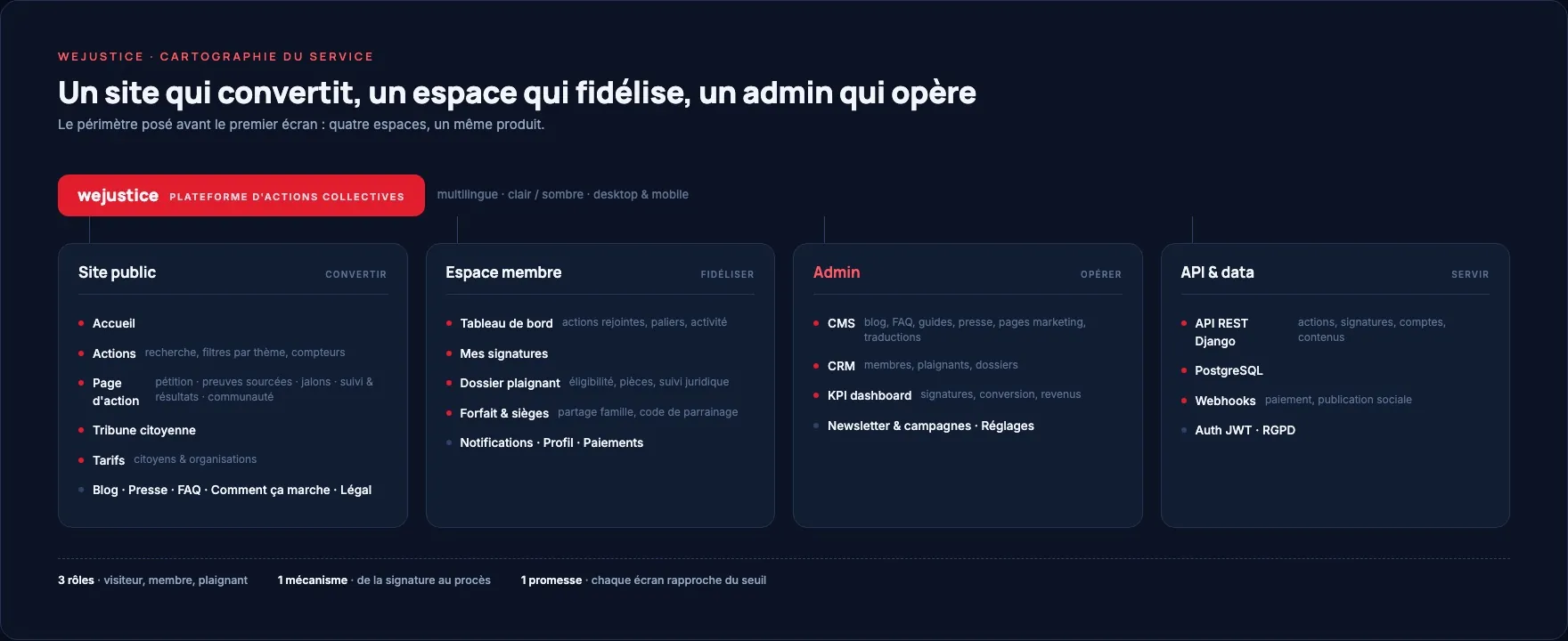
I started with the sitemap. It splits the product into four spaces.

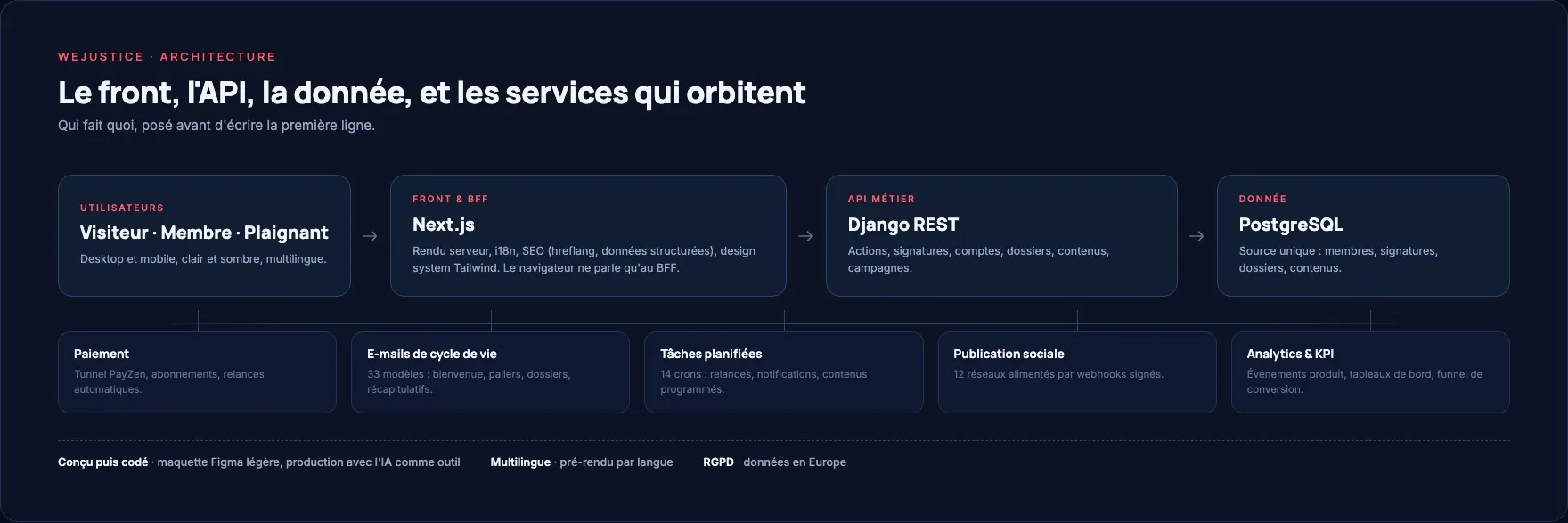
The architecture sets who does what. Everything is documented for the development team: feature inventory, playbook, deployment runbooks.

130+pages
24languages
33lifecycle emails
20+admin modules
14scheduled tasks
12connected social networks
UsersVisitor · Member · ClaimantDesktop and mobile, light and dark, multilingual.
Front end & BFFNext.jsServer-side rendering, i18n, SEO (hreflang, structured data), Tailwind design system. The browser only talks to the BFF.
Business APIDjango RESTActions, signatures, accounts, cases, content, campaigns.
DataPostgreSQLSingle source: members, signatures, cases, content.
  • PaymentPayZen checkout, subscriptions, automatic reminders.
  • Lifecycle emails33 templates: welcome, milestones, cases, summaries.
  • Scheduled tasks14 crons: reminders, notifications, scheduled content.
  • Social publishing12 networks fed by signed webhooks.
  • Analytics & KPIsProduct events, dashboards, conversion funnel.

Designed, then coded · lightweight Figma mockup, production with AI as a toolMultilingual · pre-rendered per languageGDPR · data in Europe

I set the architecture before development, so that journeys, roles, CRM and languages could evolve without rebuilding the product.
Public siteConvert
  • Home
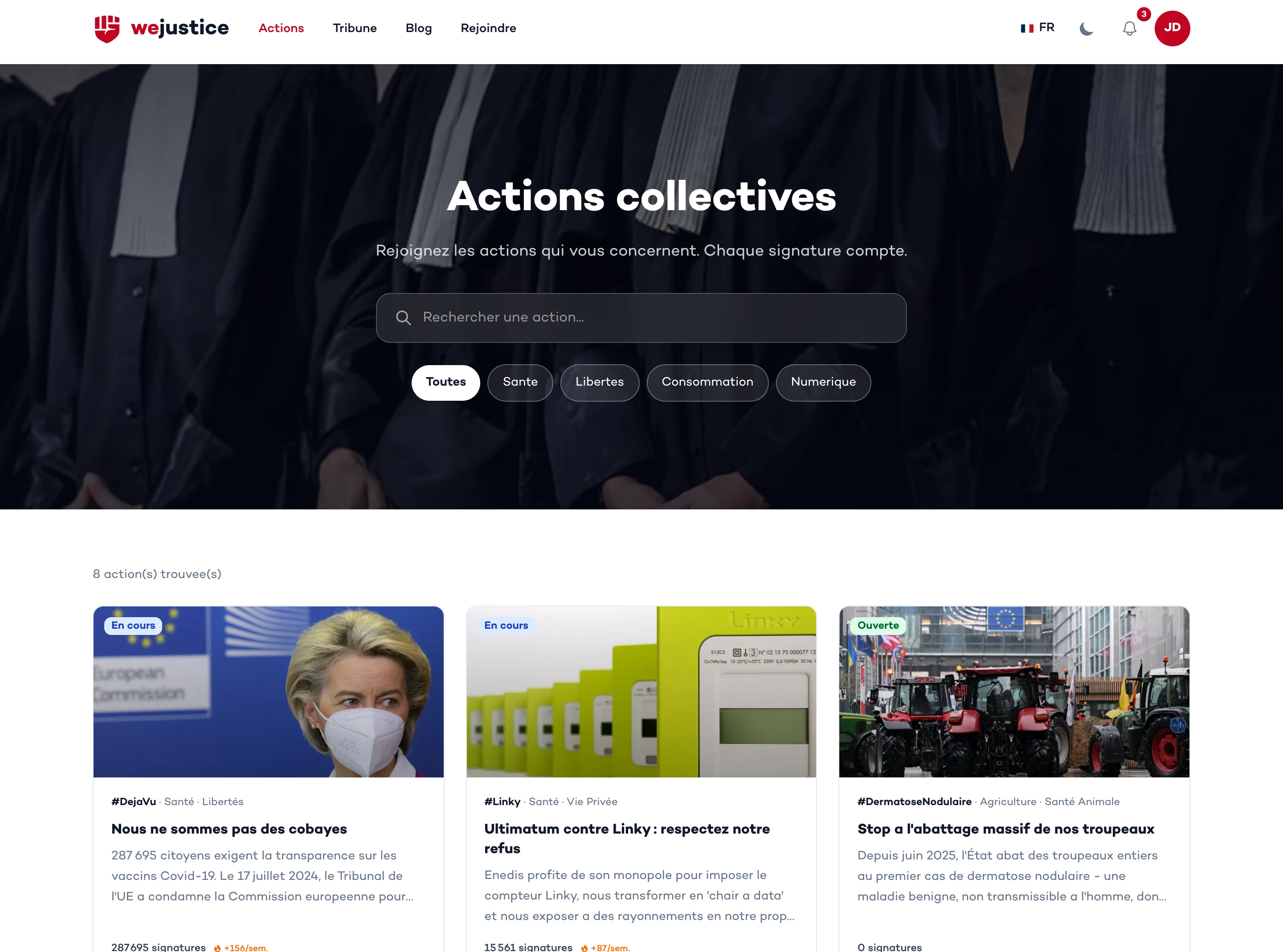
  • Actions · search, filters by theme, counters
  • Action page · petition, sourced evidence, milestones, progress and results, community
  • Citizens' forum
  • Pricing · citizens and organisations
  • Blog · Press · FAQ · How it works · Legal
Member areaRetain
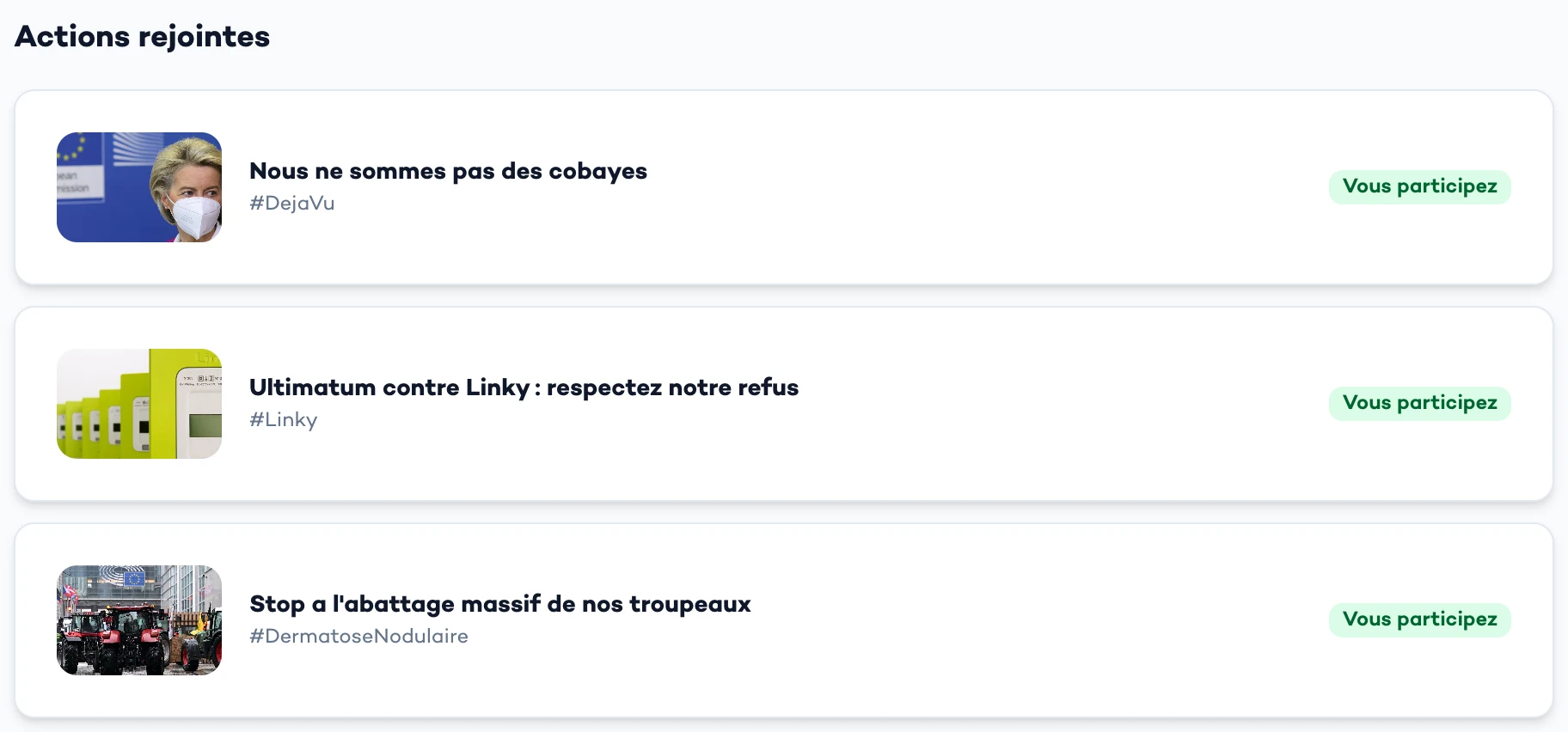
  • Dashboard · actions joined, milestones, activity
  • My signatures
  • Claimant file · eligibility, documents, legal follow-up
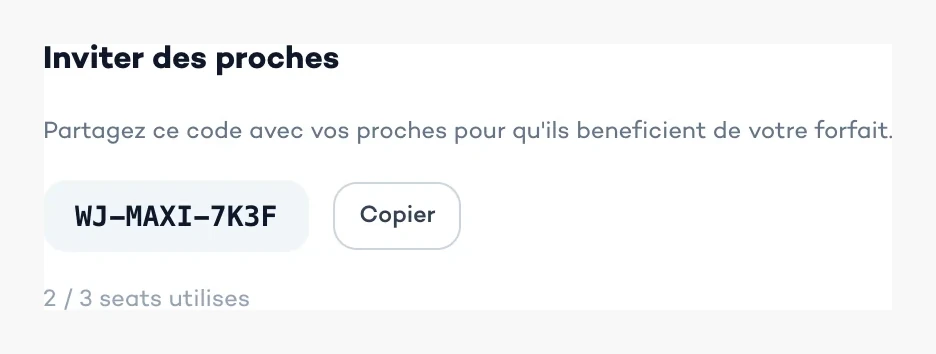
  • Plan and seats · family sharing, referral code
  • Notifications · Profile · Payments
AdminOperate
  • CMS · blog, FAQ, guides, press, marketing pages, translations
  • CRM · members, claimants, cases
  • KPI dashboard · signatures, conversion, revenue
  • Newsletter and campaigns · Settings
API & dataServe
  • Django REST API · actions, signatures, accounts, content
  • PostgreSQL
  • Webhooks · payment, social publishing
  • JWT auth · GDPR

3 roles: visitor, member, claimant

This sitemap fixed the scope of the 130 pages before the first line of code.
04

I wrote the front end and the back end myself.

The Figma mockup stayed deliberately light: the journeys, the templates, the charter. The real work happened in code, with AI as a production tool: I built the complete front end in Next.js on the Django API, multilingual and pre-rendered page by page.

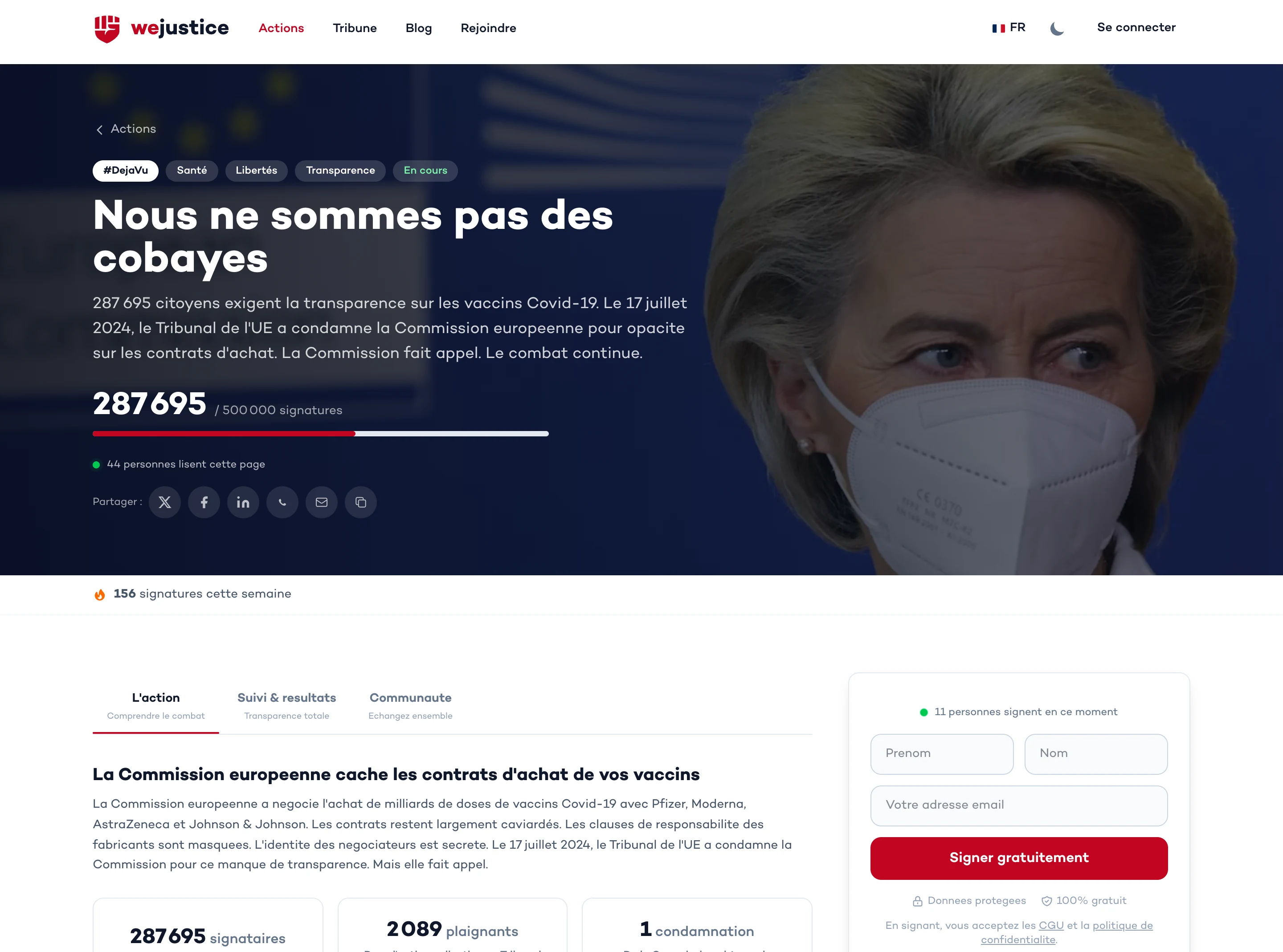
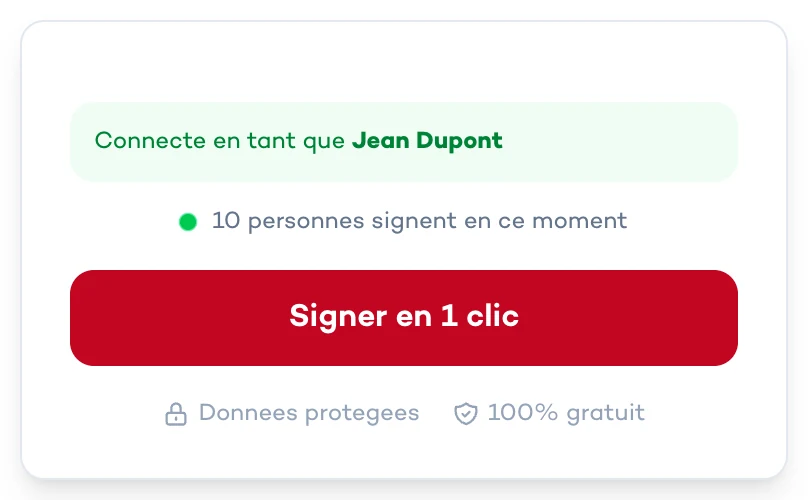
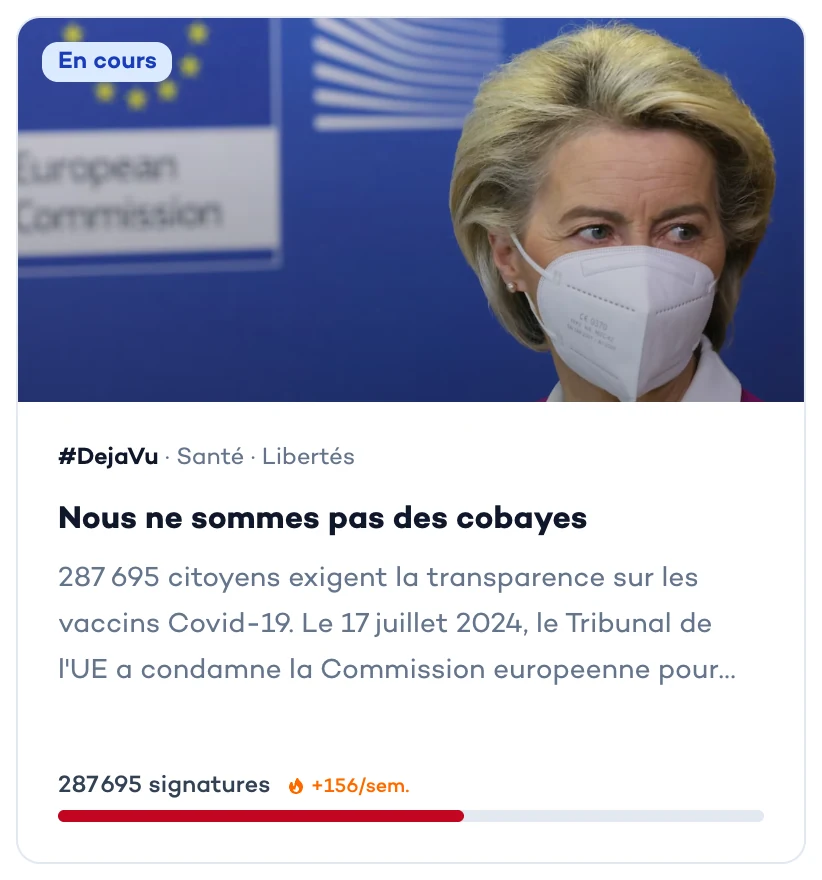
The action page concentrates the mechanism: the counter and its goal, the petition text, the sourced evidence (EU General Court, Constitutional Council), the milestones that trigger each legal step, and one-click signing.

wejustice-demo.vercel.app
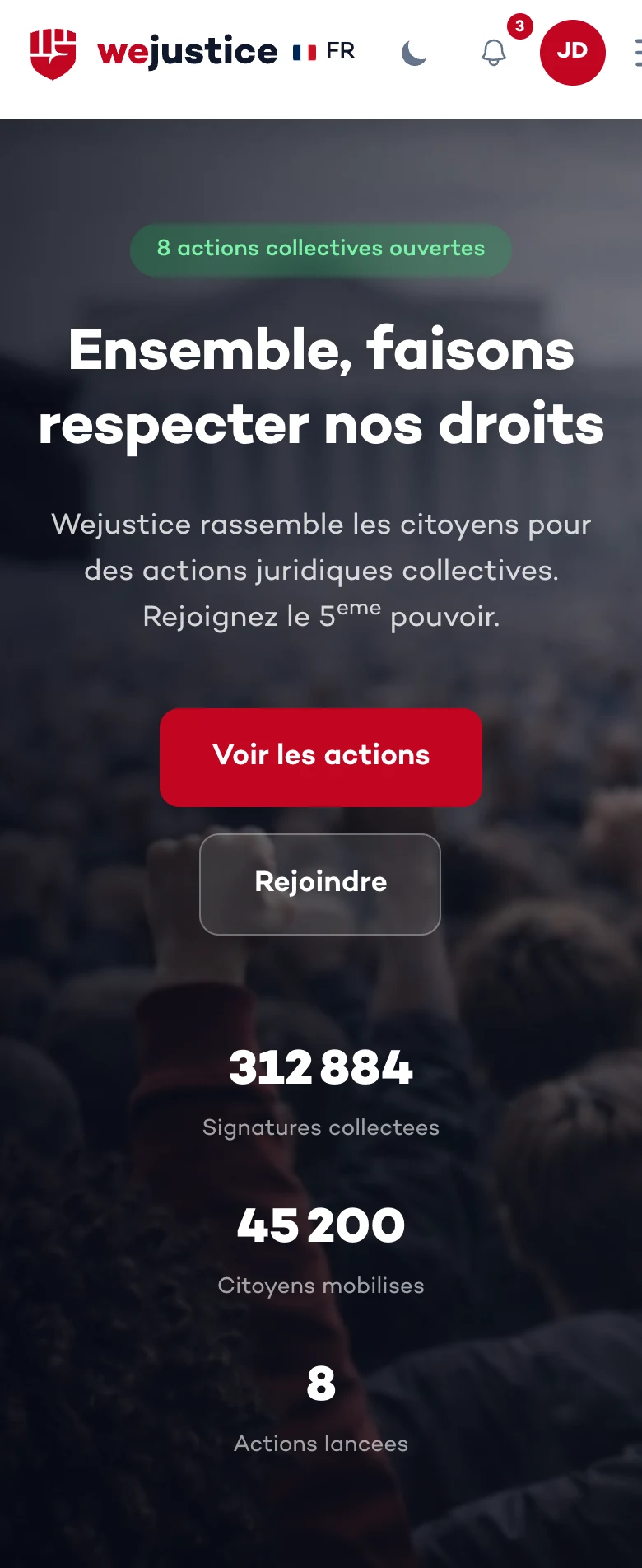
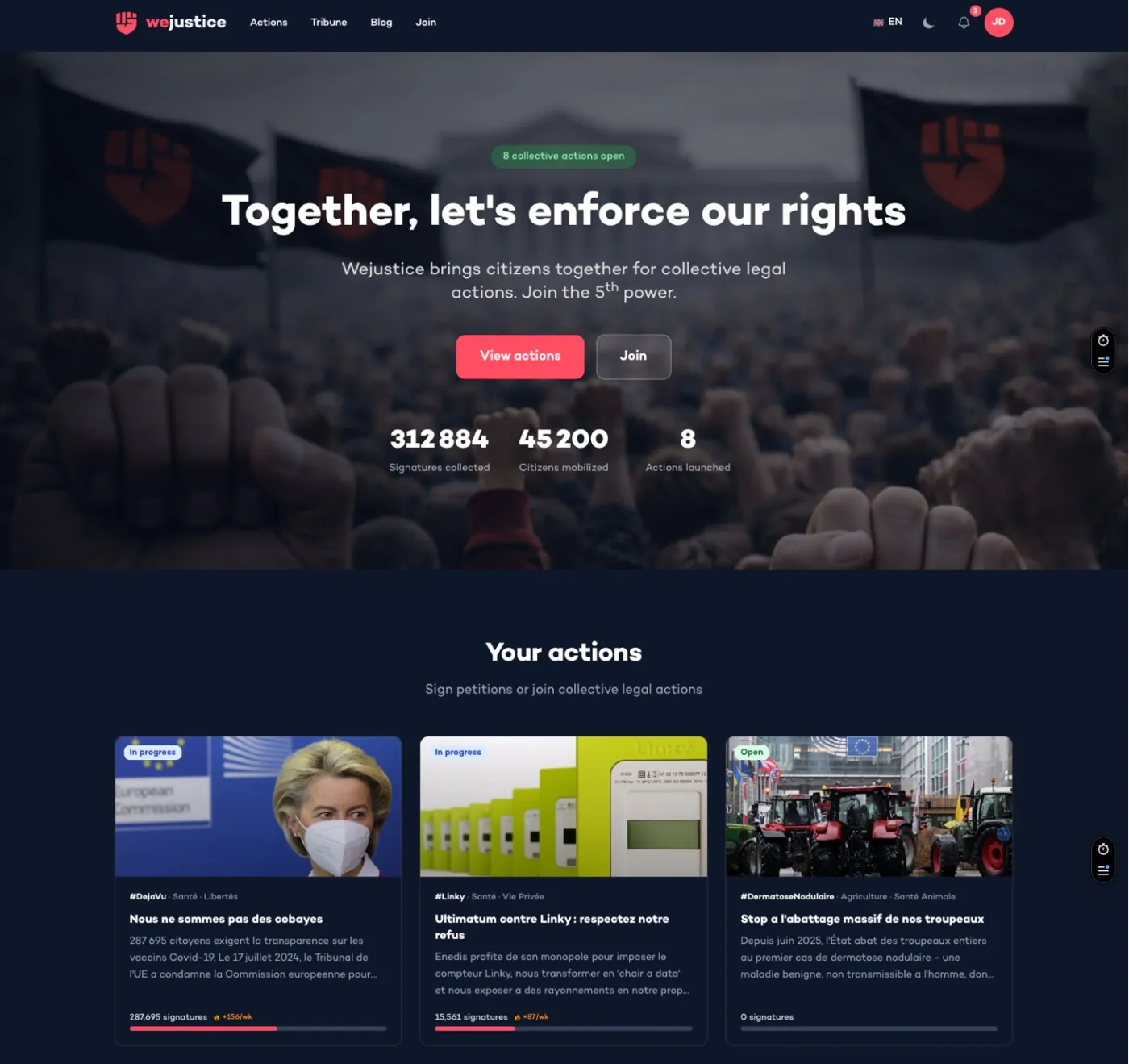
The WeJustice home in dark mode: hero over a crowd photo, mobilisation counters and first actions.
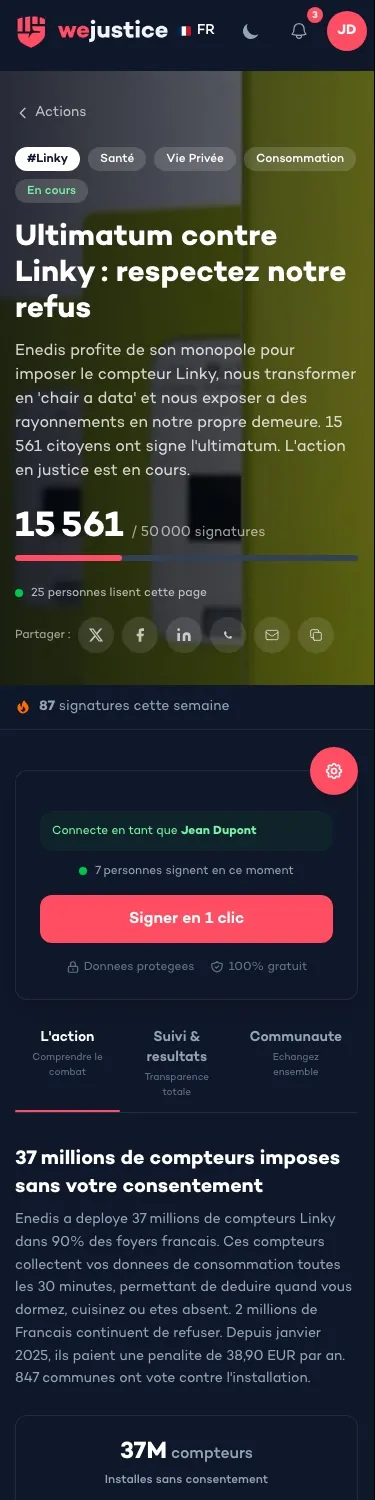
The action page on mobile: signature counter, signing form.
The product live, on desktop and mobile. Captures from the public demo.
wejustice-demo.vercel.app
The full page of the 'We are not guinea pigs' action: signature counter, petition text, sourced evidence, legal milestones and testimonials.
The full action page scrolls inside its frame once on screen; take over with the wheel or the pause button.
05

No promise of an outcome. Only numbers.

A legal service is not allowed to promise an outcome. I designed the interface from that constraint: the hero announces "transparency, GDPR, no promise of result". Every element displayed is a number: signature counters, velocity per action.

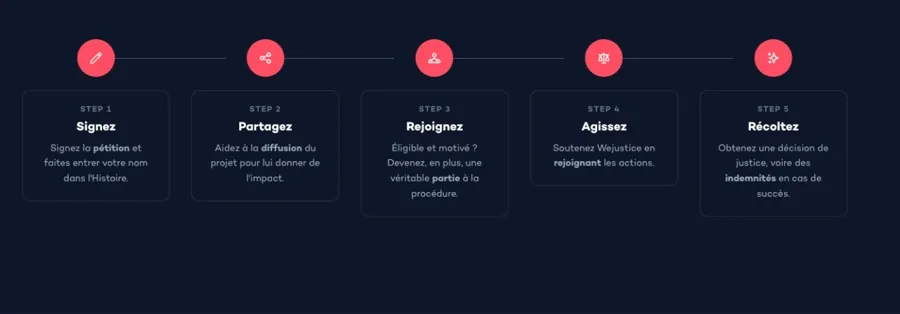
The journey is told in five steps, from signature to compensation, and commitment rises in tiers: signing is free and immediate, joining unlocks follow-up and party-to-the-procedure status, collecting comes with success. Dark mode is native, on a par with light.

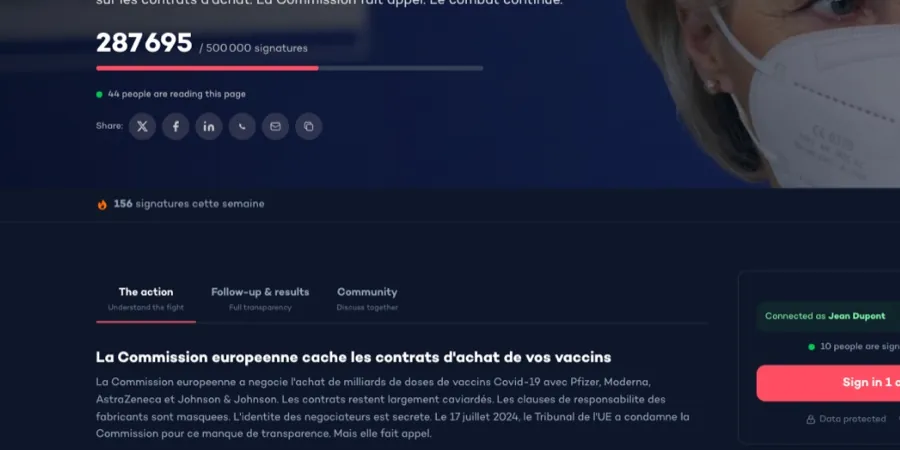
The action counter: 287,695 signatures, weekly velocity and the goal.
The counter at the top of the page287,695 signatures at the time of capture, this week's velocity, the goal to reach.
The action's milestone list: each signature threshold triggers a legal step.
The milestones that trigger the legal stepsEach signature threshold unlocks a step of the procedure.
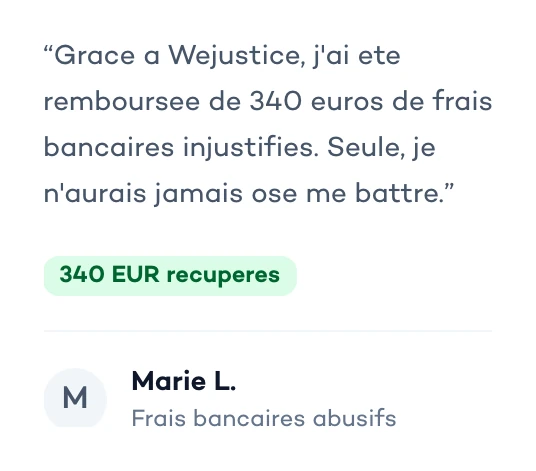
Four testimonials with their quantified outcome, including €4,800 of overpayments refunded.
Testimonials as concrete outcomesEach testimonial shows a quantified outcome and the action that produced it.
Captures from the public demo.
06

Every page carries its own community.

Search, theme filters, action cards with counters and signature velocity, multi-channel sharing: every screen pushes towards the signature, on desktop and mobile alike. Content lives in the CMS and serves acquisition.

07

Three membership tiers, one journey.

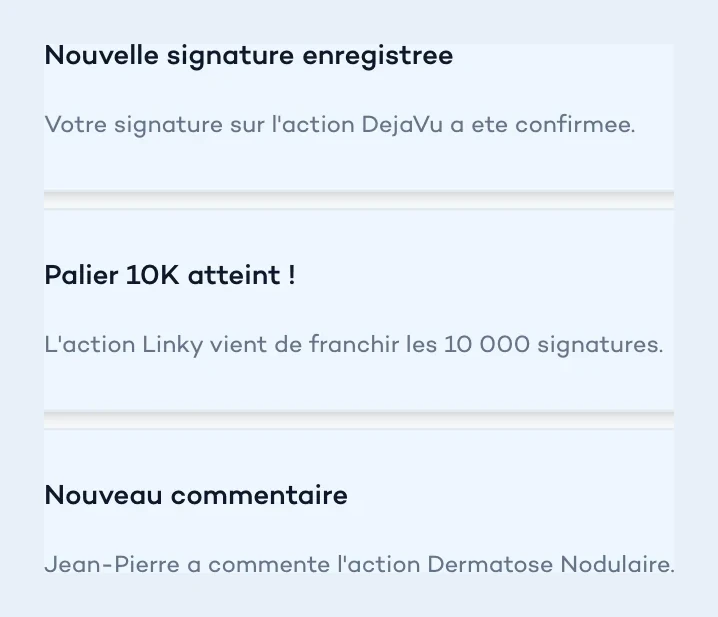
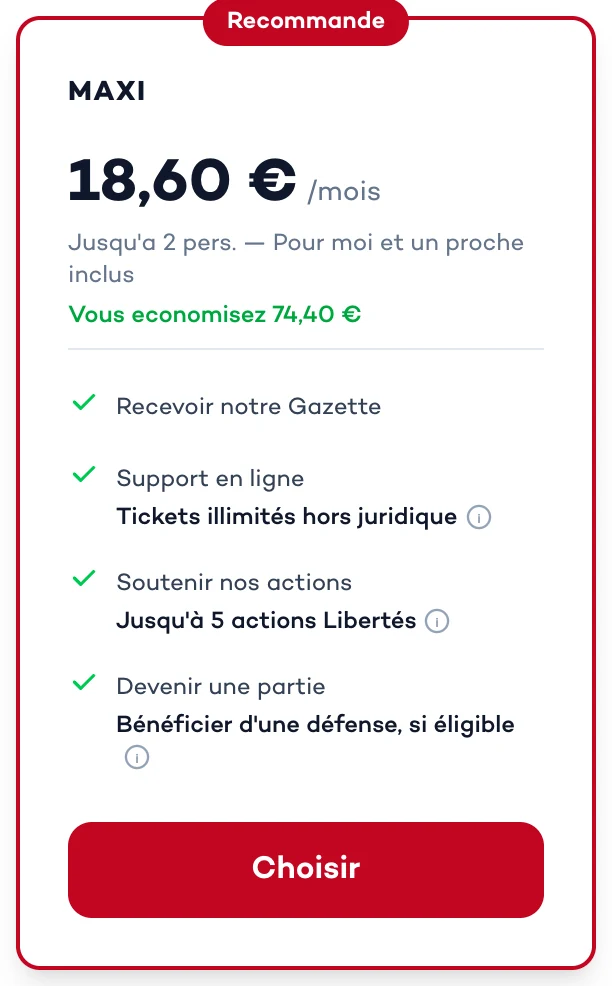
The member account automates what used to be manual: onboarding, tracking joined actions, milestone notifications, building the claimant file, payments and reminders. The plans, from Mini to Aura, fund the procedures, with shareable seats and a built-in referral code.

The member area and pricing on the public demo; the action management view, in the admin in a development environment.
08

The completed case file, not the sign-up.

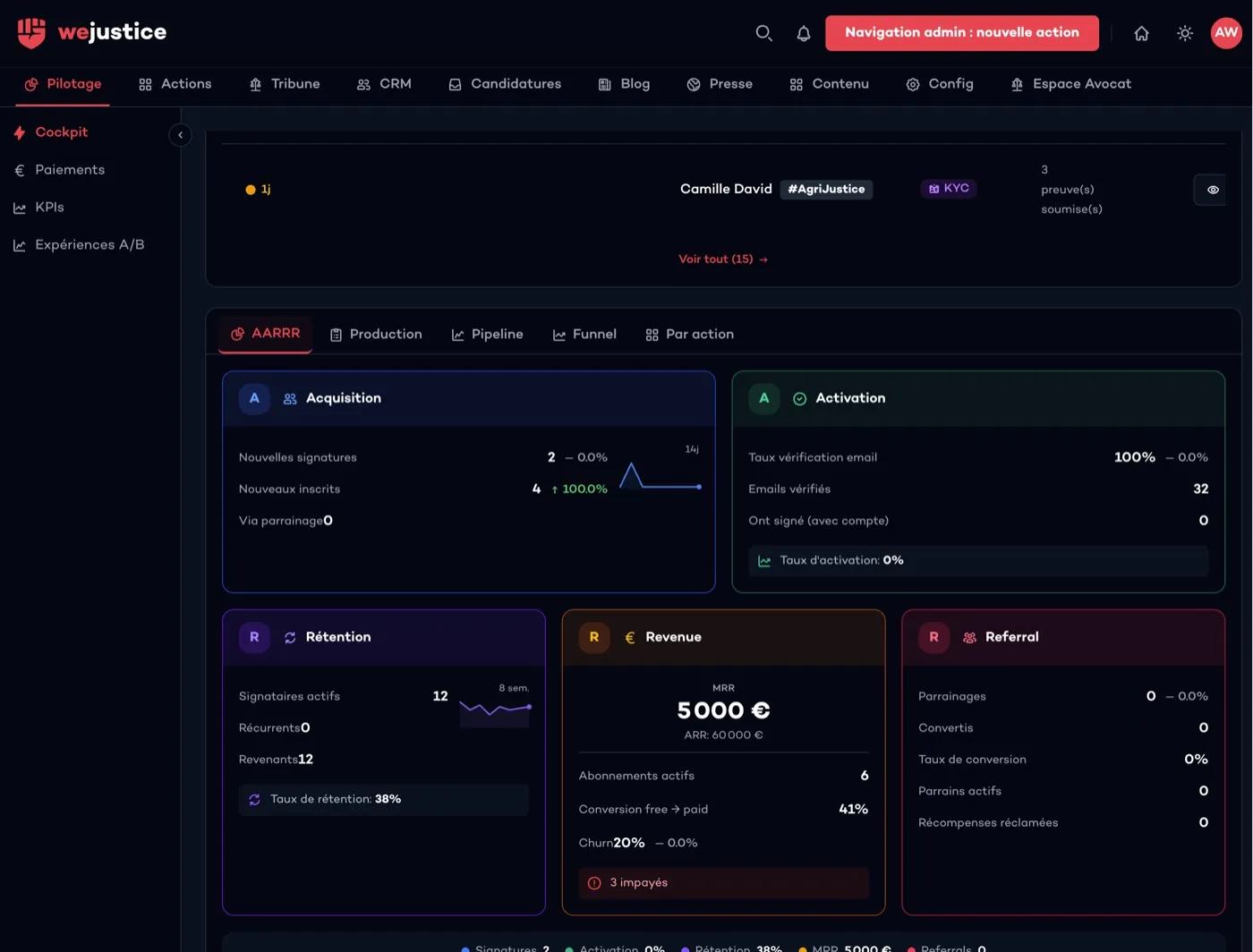
The AARRR funnel is instrumented end to end: custom events, PostHog for product behaviour, Clarity for sessions, Sentry for errors, and an A/B testing framework driven from the admin.

The lifecycle CRM takes over: 33 emails accompany the member, from signature confirmation to case file building, payment reminders and double-reward referral. On the operations side, the admin gathers twenty-plus modules under access control, three roles and 25 permissions.

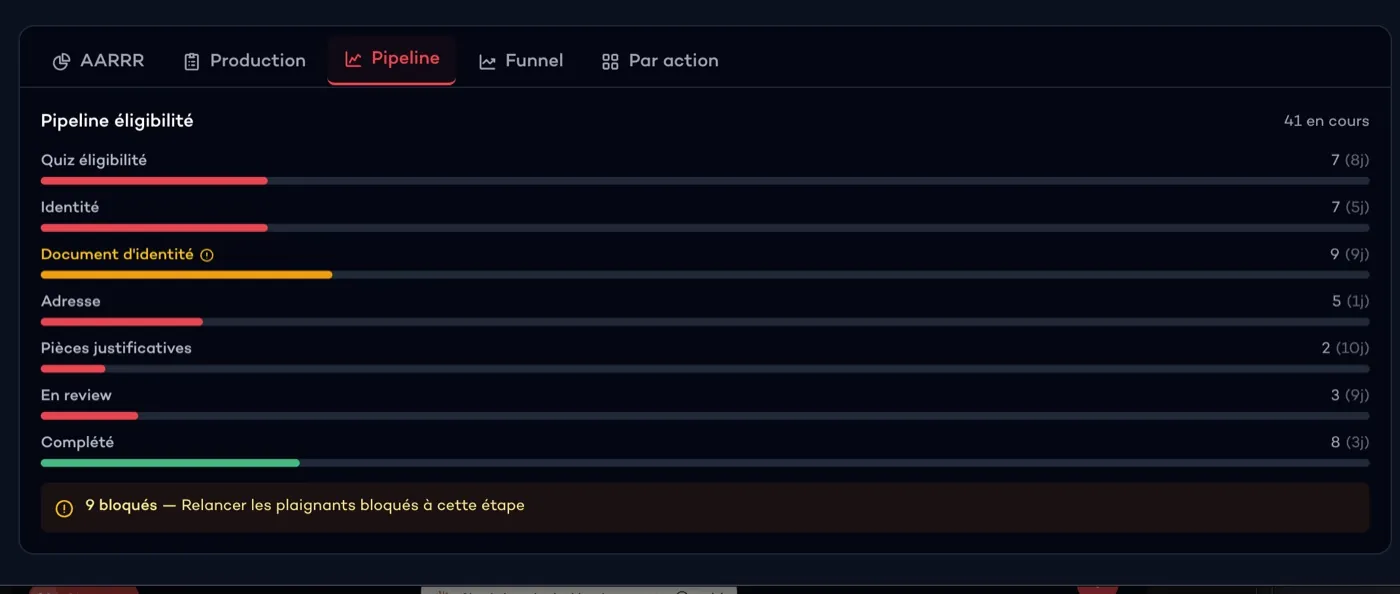
The North Star is readable in the cockpit: READY, the complete claimant file, with its rate and average time. The funnel reads through to that status, and the eligibility pipeline shows where files get stuck and who to follow up.

AcquisitionSEO in 24 languages, 12 social networks
ActivationSign in one click, no account needed
Retention33 emails, milestone notifications
ReferralDouble-reward referral
RevenueTiered subscriptions, shared seats
The MVP's AARRR funnel and what drives each step.
Product steering in the admin, captured in a development environment: demonstration data.
09

Every post goes out to every network, without me.

Fourteen scheduled tasks keep the service running without intervention: reminders, notifications, newsletters, scheduled content and automated publishing to twelve social networks. SEO is treated in depth, pages pre-rendered per language, structured data, sitemaps: the internal audit went from 92 to 99 out of 100.

AI is a production tool: the 2,789 interface keys are translated into 24 languages by a locally run model, and a conversational legal assistant is built into the product. The complete demo is public, and the launch is being prepared at wejustice.fr: the historic actions, from the Linky ultimatum to the vaccine contracts, will be carried over there with their signatories.

Industrialisation seen from the admin: translations and multichannel publishing. Development environment.
10

From brand to production code, alone.

Vision & business modelFive personas, a tiered subscription model, a roadmap in three phases.
Pricing & feature gatingPlans with shareable seats, features unlocked per plan.
UX research & journeysThe journey from signatory to claimant, told in five steps.
UI & design systemA deliberately light mockup, components, native dark mode.
Functional architecture130+ pages, 24 languages, 20+ admin modules under roles and permissions.
Prioritisation & deliveryThe MVP built, delivered and visible in a public demo.
Acquisition and growthThe instrumented AARRR funnel, double-reward referral.
Lifecycle CRM33 emails, from first signature to renewal.
AnalyticsPostHog, Clarity, Sentry, A/B testing, custom events.
Production AI2,789 keys translated locally into 24 languages, built-in legal assistant.
GDPR & securityExplicit consent, export and deletion, RBAC with 25 permissions.
SEO & i18nPages pre-rendered per language, internal SEO audit from 92 to 99 out of 100.
The weak spot in this case study

What I did not verify in this project.

Palace.legal had already proven demand: more than 300,000 signatories across five actions, with no account, no payment and no case tracking. That figure belongs to Palace.legal, not to me. So I did not have to check that the need existed, and I did not. What that figure does not say is whether a signatory will pay to take a case forward.

There is no user interview in this project, and the 5,300 pre-registrations are a signal, not a validation. What is still owed: talking to the first paying subscribers, and reading the share of complete cases before opening the platform to lawyers.

Where the product stands

The product exists. The next step rests on the first subscribers.

The MVP is built and visible in a public demo: the actions, the member area, the plans, the payment, the admin, and 24 languages from day one. A small team can run it on its own.

What comes next is scoped: opening the subscriptions, shipping the case tracking that was announced, then the lawyer marketplace, phase two of the roadmap.

Contact

A product to build end to end? Let's talk.

For an engagement or an interview, write to me.

hello@christophevanengelen.com View my LinkedIn profile

I reply within one business day.